
Viewing 1 - 6 out of 17

Veterinary Topics

Feline
Rabies in Cats
Rabies deaths are uncommon in the U.S .these days, and public health officials intend to keep it that way. That’s why rabies vaccinations are required for cats and dogs in many states. Even indoor cats have to follow the law. Millions of animals—and more than 50,000 humans—around the world die

Feline
Ringworm in Cats
Ringworm is a common skin condition in cats. In spite of its name, this condition is actually caused by a fungus, not a worm. One of the symptoms, though, is a circular rash on the skin that resembles a ring. However, this ring does not always appear. Cause of Ringworm The fungi that cause ringworm come

Feline
Staph Infection in Cats
Staphylococcus aureus is a type of bacteria that commonly live on the skin in both people and animals. Usually, this does not cause any problems. However, sometimes the bacteria can change so that the antibiotic methicillin no longer works on them—meaning, this drug cannot slow their growth or kill

Feline
Urinary Conditions
A cat’s urinary system can be negatively affected due to a variety of reasons, including suffering from an endocrine disease, such as diabetes mellitus and hyperthyroidism. More often, however, the cause of a urinary problem is a feline lower urinary tract disease (FLUTD). When problems with the urinary
Feline
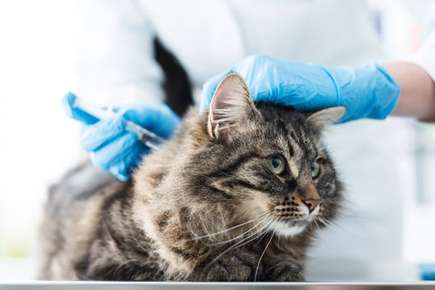
Feline Leukemia Virus: What You Need to Know
Feline leukemia (FeLV) is a virus that weakens your cat's immune system. Unfortunately, when the immune system does not function properly, your cat may be more likely to develop other diseases, such as cancer and blood disorders. How Cats Contract Feline Leukemia Cats get feline leukemia from other cats.

Feline
Zoonosis
Zoonosis refers to diseases that can be transmitted to humans from animals. In particular, they occur when an infected animal passes on bacteria, parasites, fungi or viruses to humans through scratches, saliva, feces and urine. Vectors (e.g., organisms like fleas and ticks) can also carry zoonotic diseases
