
Viewing 13 - 18 out of 25

Veterinary Topics
Feline
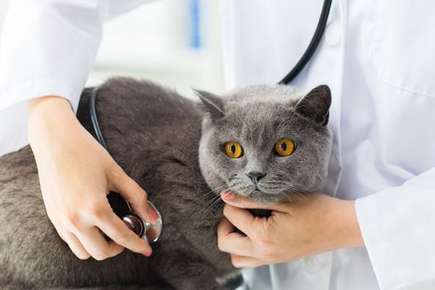
Heart Problems
A cat’s apricot-sized heart is susceptible to several problems. Some develop in young kittens while others may strike at any age. Hypertrophic Cardiomyopathy Cardiomyopathy results from a structural abnormality of the tissue around one or more of the heart’s chambers. It disrupts the heart’s normal

Feline
Feline Diabetes
Diabetes mellitus is a common disease in which a cat’s body does not make enough insulin or has difficulty using it. This hormone is produced in the pancreas. Its job is to help move glucose from the bloodstream into the body’s cells to provide them with a source of energy. Many cats with diabetes
Feline
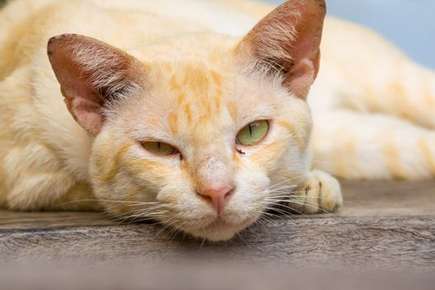
Feline Anemia
A diagnosis of anemia means your cat does not have enough red blood cells and/or hemoglobin to carry sufficient oxygen to all of his or her tissues. Each red blood cell lives only 70 to 80 days, so your cat’s body must constantly replenish these. Anemia itself is not a disease; it indicates that some
Feline
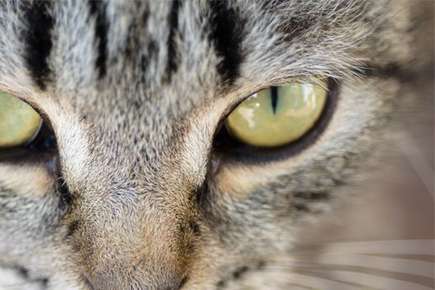
Eye Problems
Cats normally have excellent vision—their eyes are about six times more sensitive to light than a human’s eyes. However, injuries and a variety of diseases can impair a cat’s vision and even cause blindness. You can help your cat keep its eyes healthy by making sure it has regular check-ups and
Feline
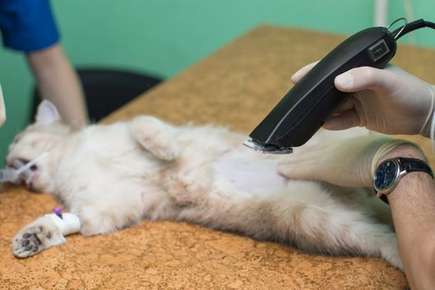
Cancer in Cats
The term “cancer” describes a whole class of diseases. If your cat gets a cancer diagnosis, it means that undesirable cells are growing uncontrollably, invading nearby tissue and possibly spreading through your cat’s body. Some types are more serious than others. As with people, early detection

Pet Health
Epilepsy
Epilepsy (often referred to as a seizure disorder) is a chronic neurological condition characterized by recurrent unprovoked seizures. It is commonly controlled with medication, although surgical methods are used as well. Epileptic seizures are classified both by their patterns of activity in the brain
