
Viewing 1 - 6 out of 11

Veterinary Topics

Feline
Toxoplasmosis
Toxoplasmosis is a disease caused by a parasite named Toxoplasma gondii (T. gondii). This parasite is very common and shows up in pets, people and nearly all other warm-blooded mammals. In spite of this, the parasite does not usually cause any real problems in cats. Life Cycle of the Toxoplasmosis Parasite T.

Feline
Heartworms
While more common in dogs, cats also suffer from deadly heartworm infestation. Heartworms, spaghetti-like white creatures, can measure 1-foot long and cause an inflammatory response in your pet’s heart and lungs. Heartworms are especially prevalent in hot, humid parts of the country, especially in
Feline
Fleas and Ticks
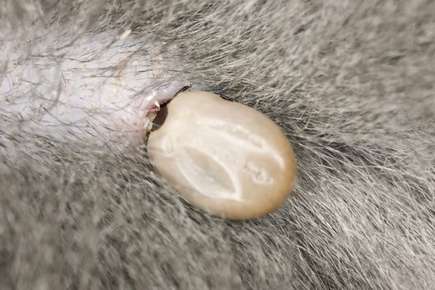
Fleas and ticks are very common in animals with fur. They hop onto your cat and make their way to the skin of the animal, where they proceed to feed on your pet’s blood. They also find your cat’s warm, soft fur to be the perfect breeding ground. Fleas can be obtained when cats go outdoors or come

Pet Health
Tapeworms
Tapeworms live in the digestive tracts of vertebrates as adults and often in the bodies of various animals as juveniles. In a tapeworm infection, adults absorb food predigested by the host, so the worms have no need for a digestive tract or a mouth. Large tapeworms are made almost entirely of reproductive
Pet Health
Roundworms
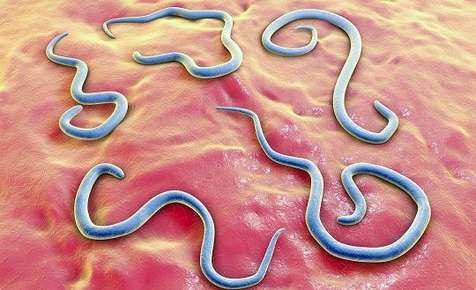
There are many types of roundworms, but some of the most common are intestinal parasites of dogs, cats, and raccoons. Puppies are frequently born with roundworms, and kittens can be infected via the mother's milk or feces. Adult roundworms are ivory colored, four to six inches long, and round (not flat

Pet Health
Parasites
There are many types of parasites that are found in the GI tract of cats and dogs. Worms such as roundworms, whipworms, and hookworms are very common in almost all parts of the world. These parasites shed their infective eggs in the pet's stool and contaminate the environment; some eggs can live on yards
