
Viewing 61 - 65 out of 65

Veterinary Topics

Pet Health
Hypothyroidism
Hypothyroidism is the natural deficiency of thyroid hormone and is the most common hormone imbalance of dogs. This deficiency is produced by several different mechanisms. The most common cause (at least 95% of cases) is immune destruction of the thyroid gland. It can also be caused by natural atrophy

Pet Health
Ticks
Ticks are the small wingless external parasites, living by hematophagy on the blood of mammals, birds, and occasionally reptiles and amphibians. Ticks are blood-sucking parasites that are often found in freshly mown grass, where they will rest themselves at the tip of a blade so as to attach themselves

Pet Health
Liver Shunt
A liver shunt is also named a PSS, portosystemic shunt, portacaval shunt or portosystemic vascular anomaly. This abnormality occurs when a pet's venous blood from the intestine bypasses the liver. In the normal pet, blood vessels pick up nutrients from ingested material in the intestine and carry it
Pet Health
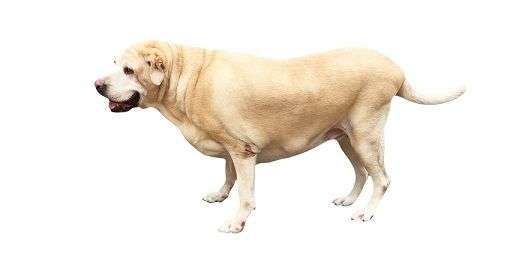
Hip Dysplasia
Hip dysplasia is a congenital disease that, in its more severe form, can eventually cause lameness and painful arthritis of the joints. It is caused by a combination of genetic and environmental factors. It can be found in many animals and, rarely, humans, but is common in many dog breeds, particularly

Pet Health
Diabetes Mellitus
Diabetes Mellitus (DM) is a life long disorder of dogs and cats that results when the pancreas fails to produce enough insulin to meet the animal's needs. Insulin is a hormone needed to transport glucose (blood sugar) into the body's cells. When there is a lack of insulin in the body, blood glucose rises
